 stainless steel sculpture
Modern day sculpture is no longer limited to carved marble or bronze figures on pedestals. A sculpture might be a sweeping stainless steel curve, a faceted animal, a wind-driven installation or a colored form designed for a building entrance. What connects these works is the way they use material, shape and space to create an experience.
This guide explains the main styles and materials, shows practical examples, and covers the decisions that matter when a modern sculpture is designed for a real site.
What Is Modern Day Sculpture?
“Modern day sculpture” is a broad, everyday term for sculpture made for today’s visual culture and built environment. It can include work influenced by modern art as well as contemporary sculpture being made now. Art historians use modern and contemporary more precisely, but clients often use both terms when describing a current design. For examples of works grouped by period and movement, see MoMA’s collection.
The sculpture does not have to be abstract. A person, animal or tree can be recognizable while its scale, proportions, material or finish give it a modern character. Many works are also conceived for a specific plaza, garden, hotel or public space rather than viewed from one position in a gallery.
How Is It Different From Traditional Sculpture?
Traditional sculpture is often associated with carved stone, cast bronze, monuments and realistic figures. Modern sculpture allows a wider range of materials and methods, including fabricated metal, glass, lighting, water and moving components. It may be figurative or nonfigurative, intimate or architectural in scale.
The difference is not a judgment of quality. Bronze and stone remain useful today; the more important change is the freedom to combine an idea with the material and setting that express it best.
Popular Styles of Modern Day Sculpture
| Style | Visual character | Common setting |
|---|---|---|
| Abstract | Curves, planes and open forms | Plazas, entrances and gardens |
| Geometric | Facets and crisp silhouettes | Lobbies and public landscapes |
| Figurative | People or animals, often simplified | Parks and cultural spaces |
| Kinetic | Real movement over time | Open sites with room to move |
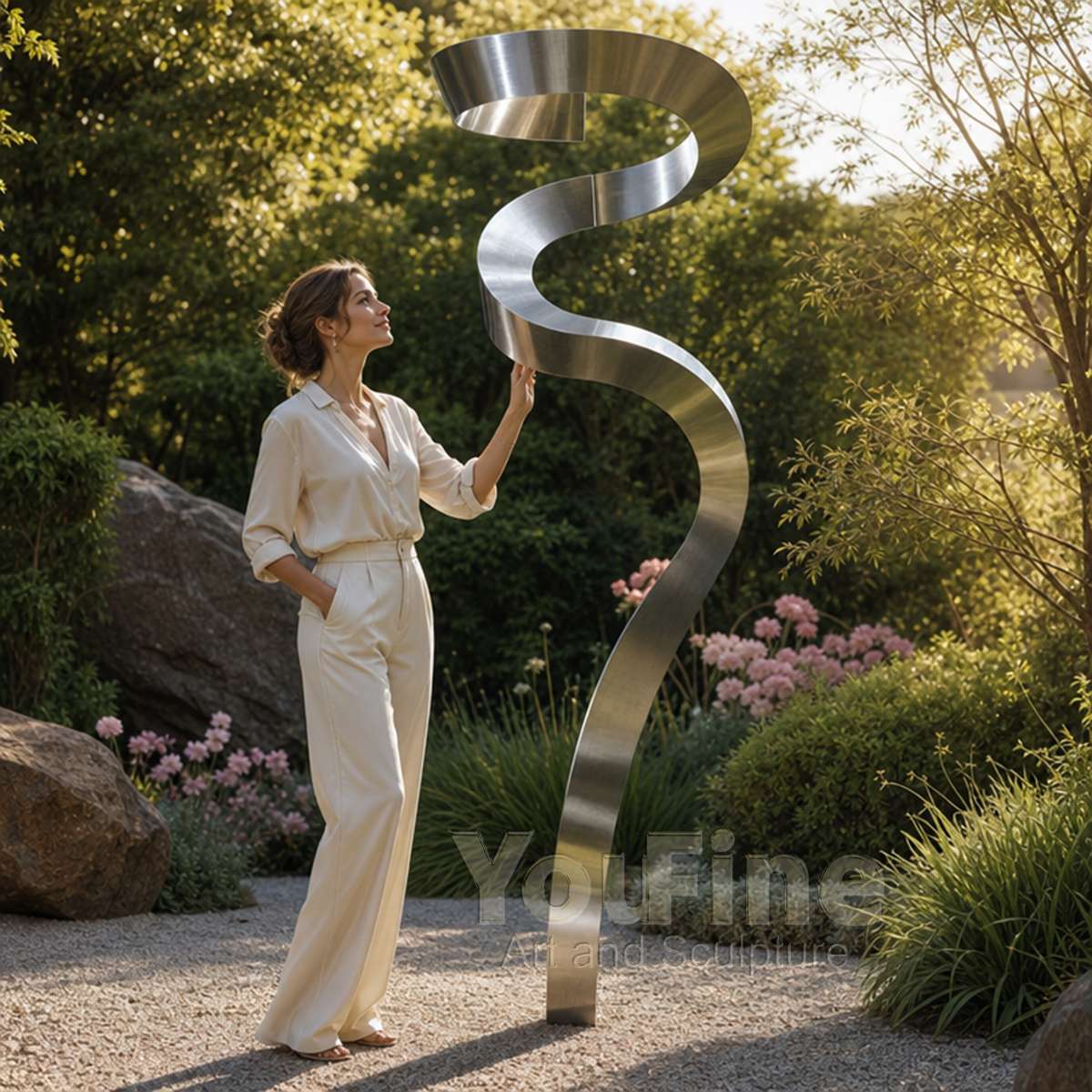
Abstract sculpture
Abstract forms use curves, planes, openings and visual rhythm without depicting an object literally. They can frame a view or bring a strong focal point to a park, plaza or hotel entrance. A polished surface adds another layer by reflecting the surroundings. See more abstract metal sculpture designs.
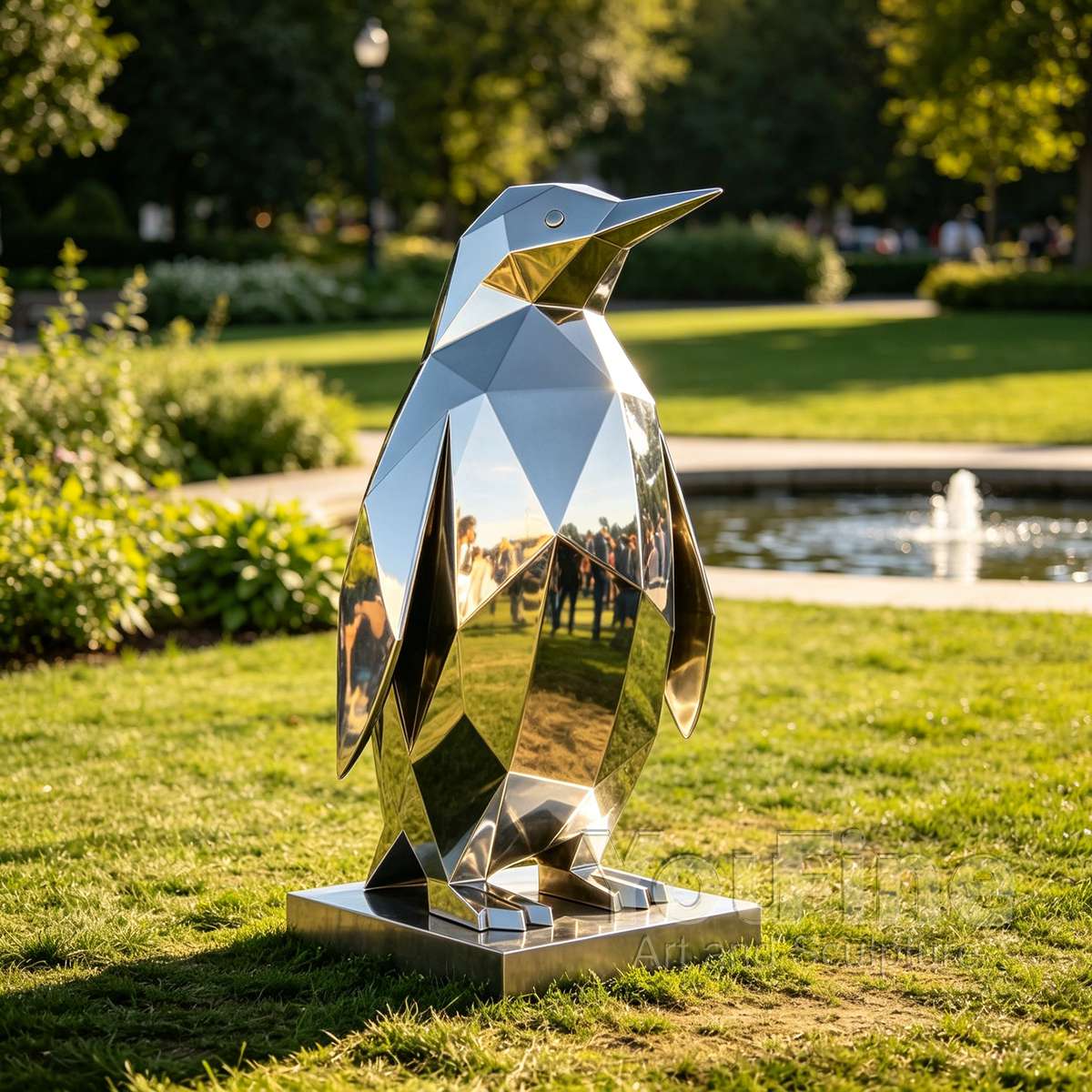
Geometric sculpture
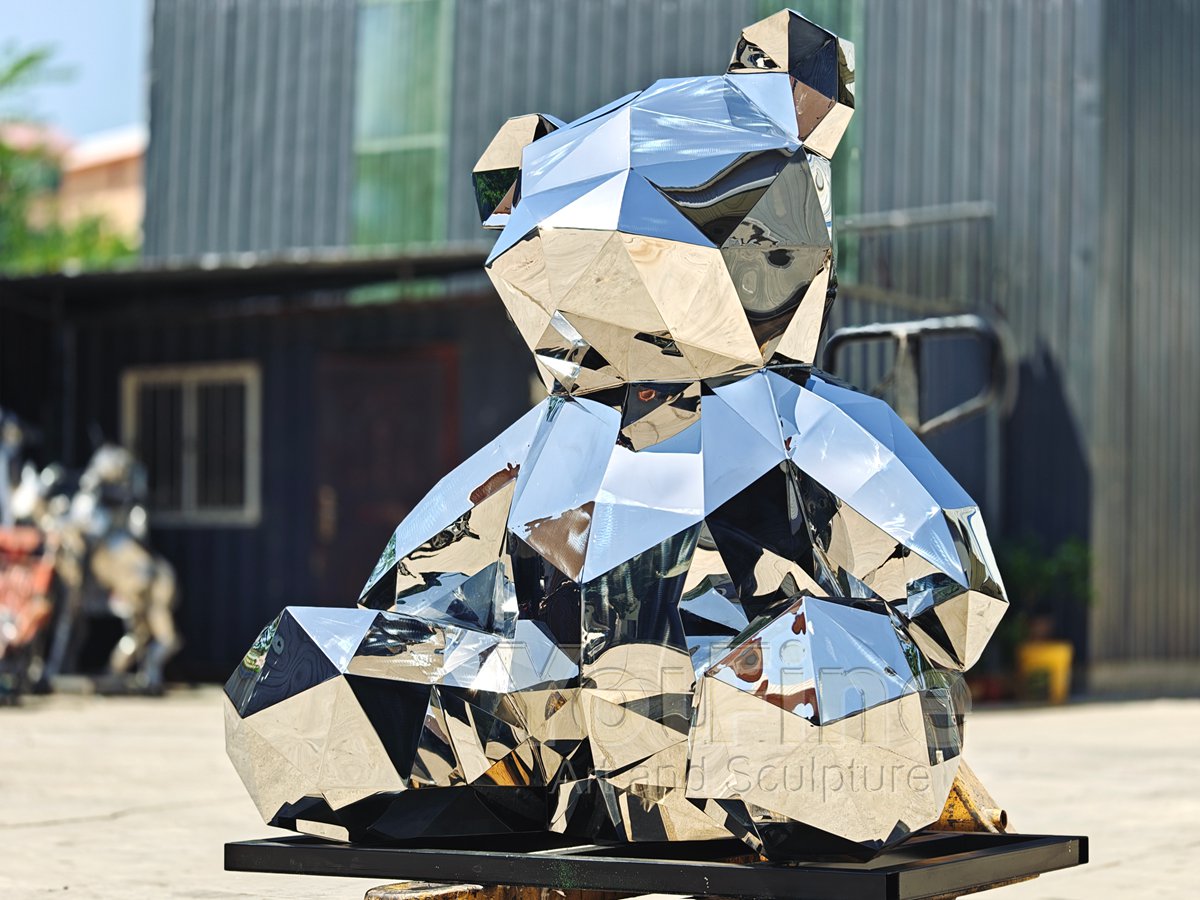
Faceted surfaces, polygons and crisp edges give geometric sculpture a distinct silhouette. Animals are a useful example: a penguin, deer or horse can remain recognizable while its body is simplified into angular planes. Browse more geometric animal sculptures.
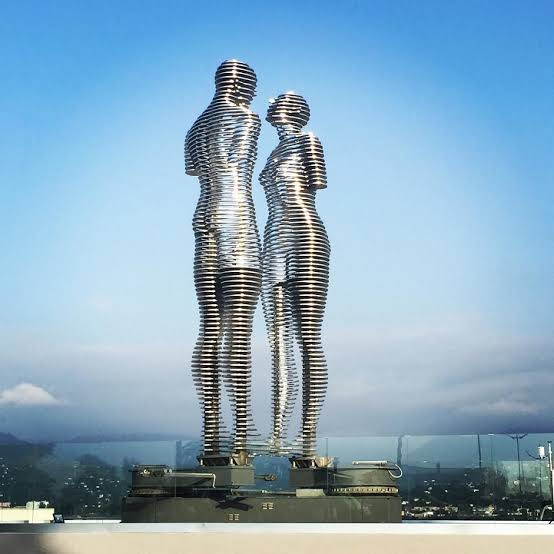
Figurative sculpture
People are still central to modern sculpture. A figure may be elongated, reduced to an outline, formed from metal strips or captured in a dramatic pose. The result can suggest movement and emotion without aiming for photographic realism. See the site’s modern figure sculptures.
Minimalist sculpture
Minimalist works rely on proportion, clean lines and a small number of forms. Their apparent simplicity makes placement especially important: the sculpture needs enough space for its shape to read clearly.

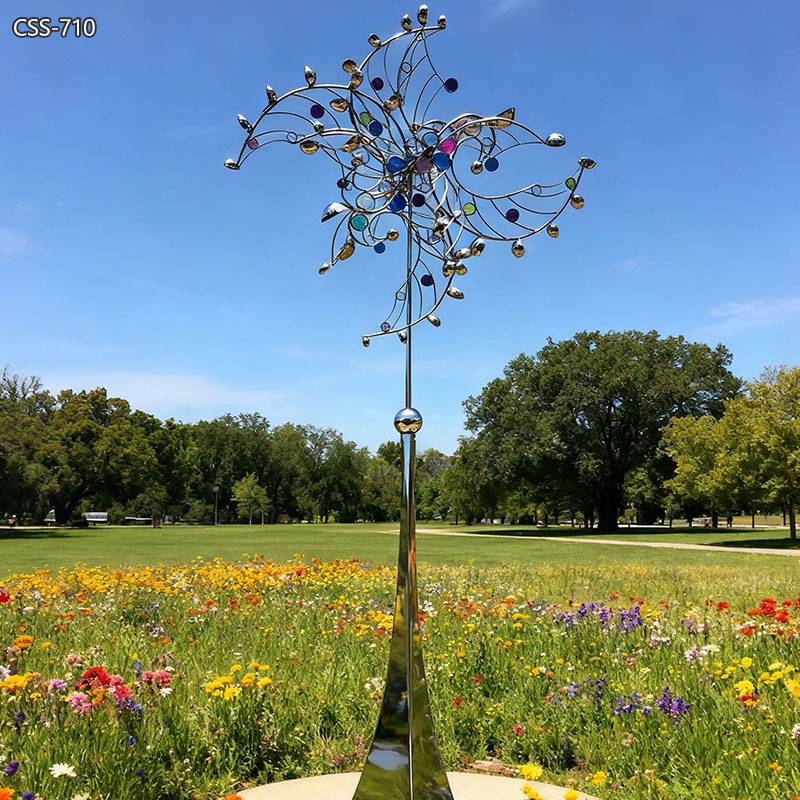
Kinetic and interactive sculpture
A dynamic sculpture may actually move, often with wind or a designed mechanism, or it may suggest motion through a fixed form. Interactive public art may respond to viewers, light or other changes in the environment. Moving works require careful planning for clearances, structure and maintenance access. MoMA’s kinetic art collection offers further examples of movement as an artistic idea.
Large public sculpture
At a city entrance, commercial plaza or resort, a sculpture can act as a landmark. It needs to work from a distance and at pedestrian scale, while its structure and installation respond to the site.
What Materials Are Used in Modern Sculpture?
| Material | Typical visual effect | Planning consideration |
|---|---|---|
| Stainless steel | Mirror, brushed or colored finish | Choose grade and maintenance for the environment |
| Corten steel | Warm weathered surface | Plan for drainage and runoff staining |
| Bronze | Cast detail and patina | Consider casting, weight and surface care |
| Stone | Natural texture and mass | Consider weight, support and carving limits |
Stainless steel
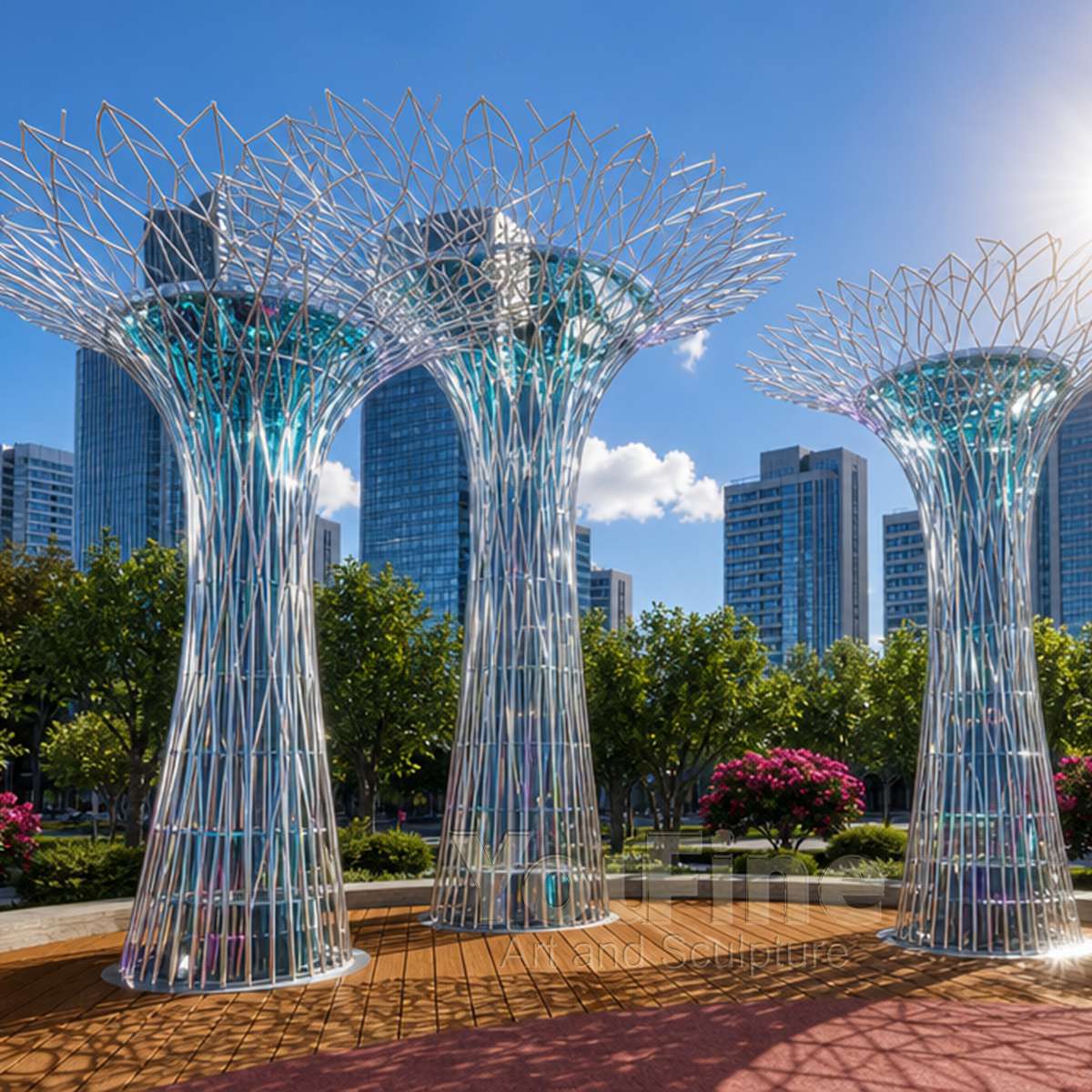
Stainless steel can be cut, formed and welded into complex shapes, then finished as mirror polished, brushed, matte or colored metal. Proper grade selection and detailing make it a practical choice for many outdoor projects, including large works near architecture and water features. The U.S. General Services Administration’s artwork care guide explains why even outdoor stainless steel artworks need periodic attention.

Corten steel
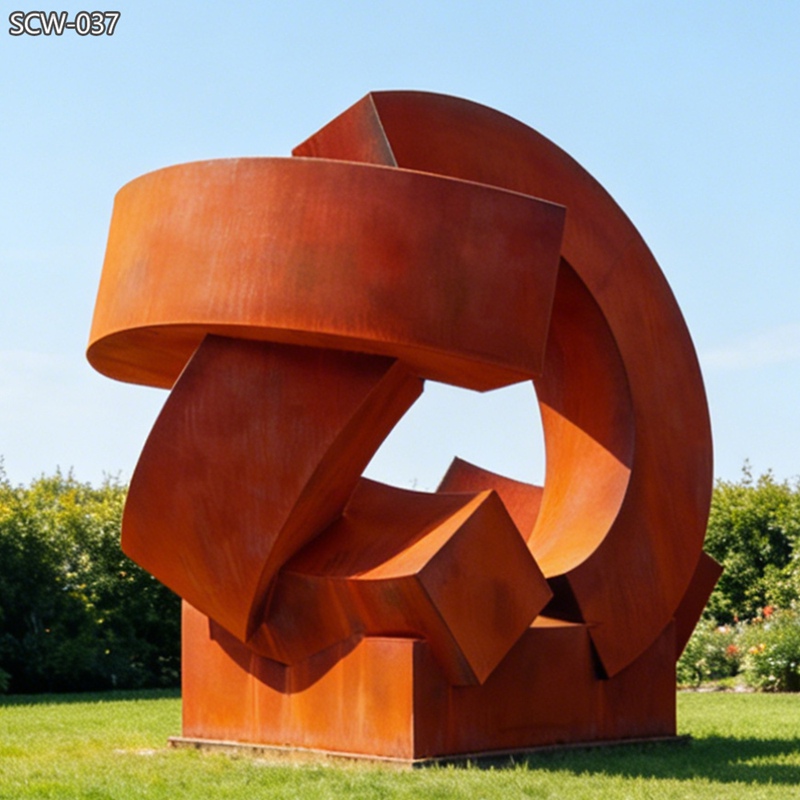
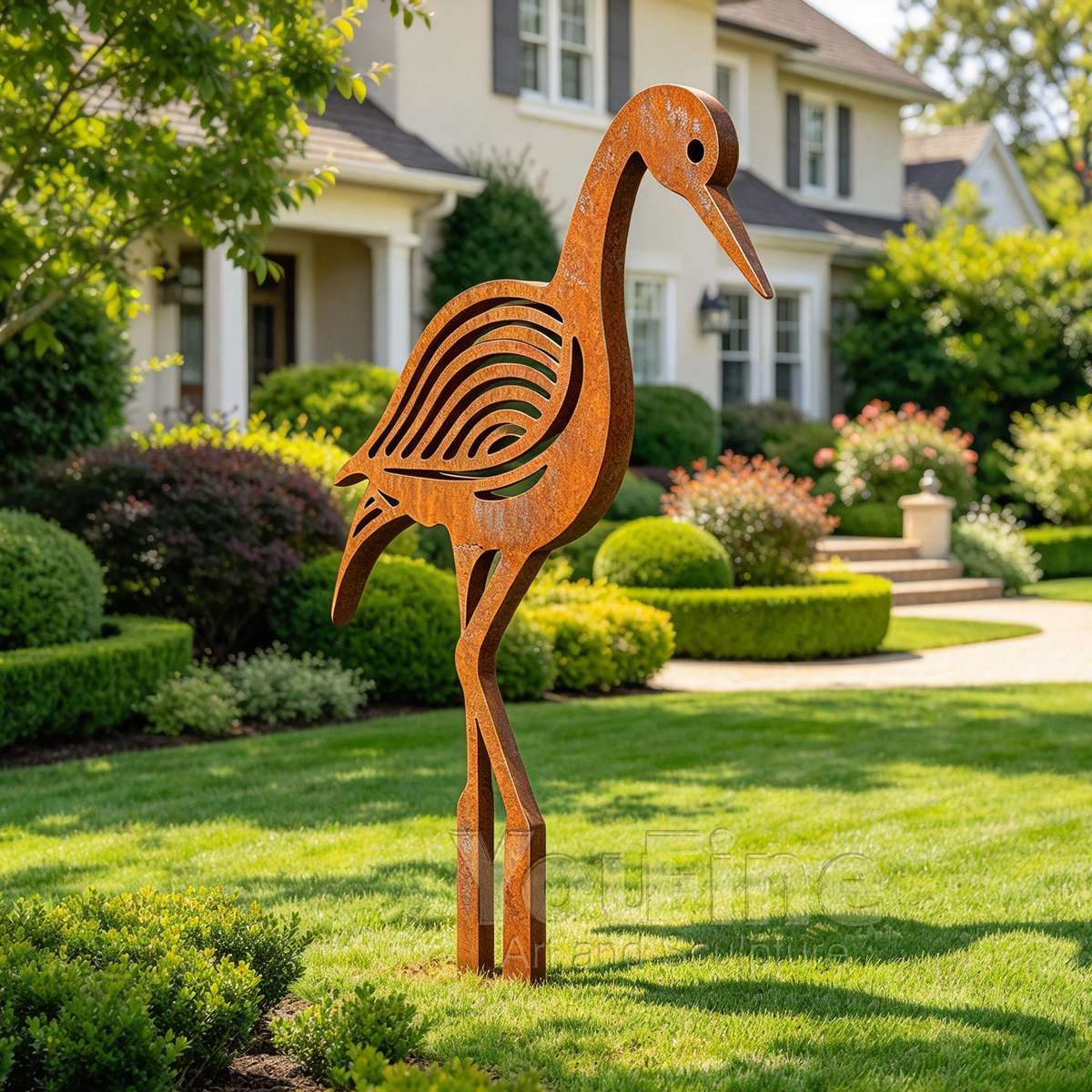
Corten steel develops a warm rust-colored patina that suits gardens and naturalistic landscapes. Its appearance changes as it weathers. Designers should consider drainage and possible runoff staining, especially near pale paving. SSAB’s guidance for architects details staining and drainage considerations for weathering steel.
Bronze and stone
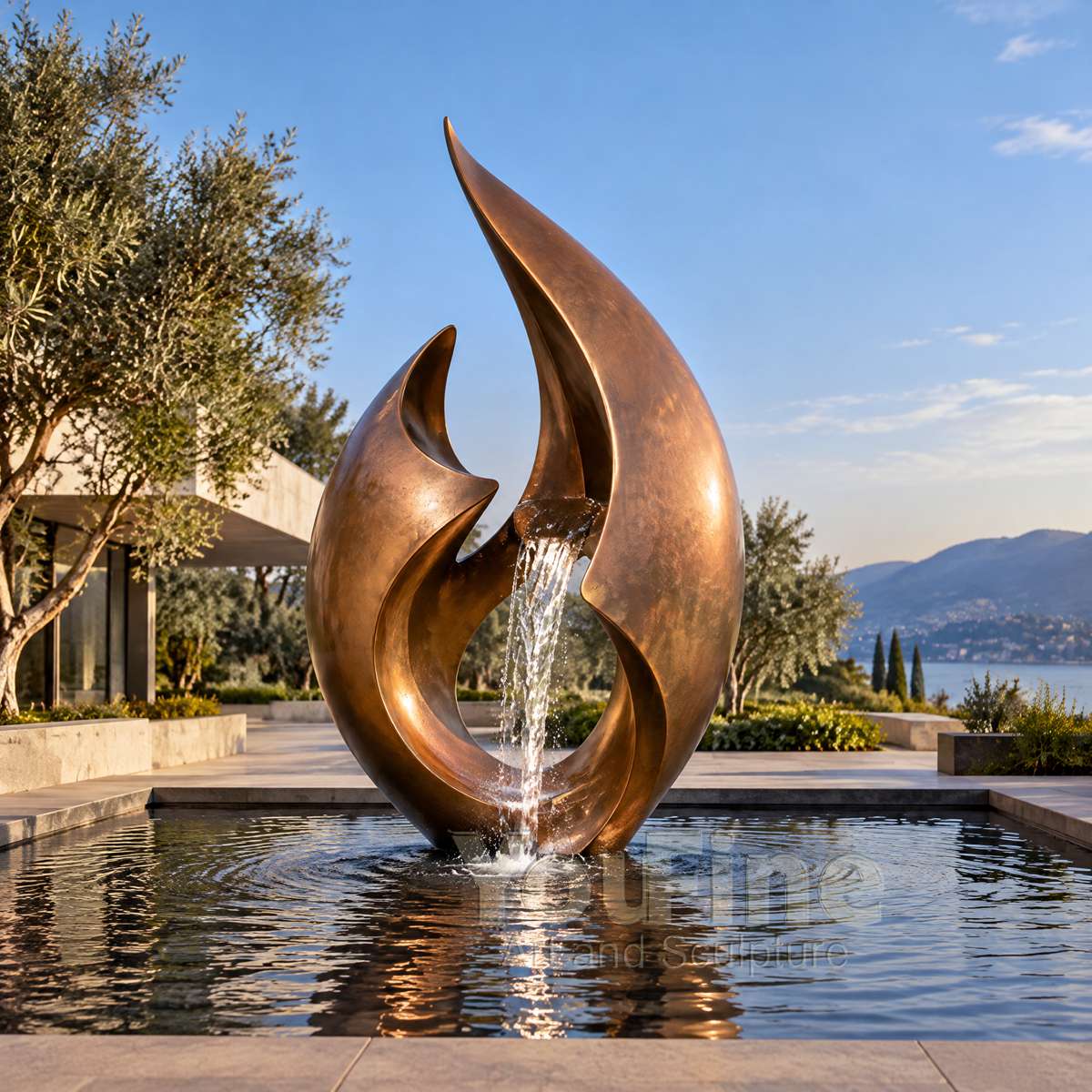
Bronze remains valuable for both figurative and abstract work, with patinas that can change its character. Marble and other stones are also used in contemporary minimalist and abstract forms. Their weight, fabrication method and maintenance needs influence where they fit best.
Aluminum, glass and mixed media
Aluminum offers different weight and finish options, while glass can introduce color and transparency. Combining materials may create a richer effect, but connections, weather exposure and long-term care must be designed together.

Why Is Stainless Steel So Popular?
Stainless steel works particularly well with modern architecture. A mirror finish can bring sky, planting and people into the artwork; a brushed finish can feel quieter and more consistent. The material also supports large forms, intricate fabrication and a range of custom finishes. The worldstainless guide to duplex grades includes an outdoor water sculpture example where site conditions informed material selection.
For outdoor use, “stainless” does not mean maintenance-free. The right alloy, surface finish, weld treatment and cleaning plan depend on the environment. A coastal site, for example, calls for more careful material selection than a sheltered interior.
Where Do We See Modern Sculpture Today?
Modern sculpture appears in gardens and parks, city plazas, hotels, resorts, shopping centers, office campuses, museums and private villas. The same artwork can feel very different in each setting. Viewing distance, pedestrian routes, lighting and the surrounding architecture all affect the design.
Examples of Modern Day Sculpture
These examples show how a style becomes a physical artwork. Each has a different relationship with its setting.
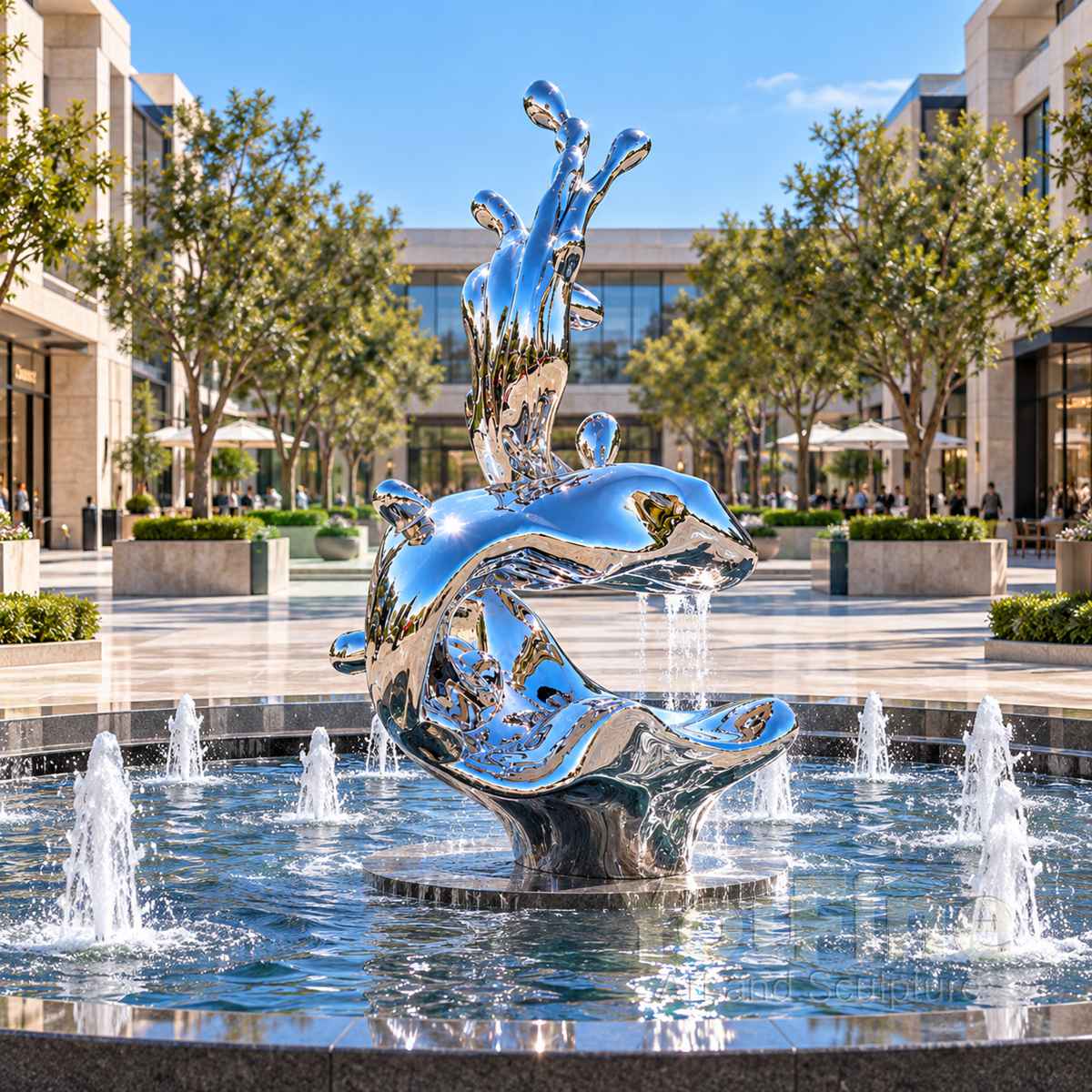
Mirror-polished abstract form
A reflective abstract sculpture changes throughout the day as its surroundings and light shift. It can give a contemporary entrance a focal point without relying on a literal subject.
Geometric animal
A geometric bear retains a recognizable subject while faceted metal surfaces create a new visual language. This approach works well where a familiar figure needs a contemporary finish.
Painted metal landmark
Color can make a sculpture visible from a distance and connect it to a place’s identity. A colorful geometric animal, for example, becomes an expressive feature at a large scale.

Corten steel landscape work
A weathered steel surface brings warmth to planting and stone. Its visual effect is different from polished metal, making it useful for more natural landscape schemes.
How Are Modern Sculptures Made?
A custom project usually moves from concept sketches and reference images to 3D design, engineering and material selection. Fabricators then cut and form the components, weld the structure, refine the joins and apply the chosen finish. Larger works may be assembled in the workshop before being separated for packing, shipping and installation.
The sequence changes with the design. A kinetic sculpture needs a movement system; a mirror-finished work requires particular attention to welding and polishing; a large landmark needs structural and foundation planning early in the process.
How Do You Choose the Right Sculpture for a Space?
Start with the site rather than only a reference picture. How far away will people first see the sculpture? Will they walk around it? Is the setting sheltered, exposed or coastal? The answers help establish scale, material, finish and fixing method.
Then decide whether the artwork should be abstract or recognizable, quiet or bold, fixed or moving. A visual mockup against a site photograph can help test proportion before fabrication begins.
Can a Modern Sculpture Be Customized?
Yes. Size, shape, material, color, finish, lighting and installation structure can often be adapted. Some projects begin with a finished CAD drawing; others begin with a sketch, reference image or site photograph. The aim is to develop an idea that fits both the visual brief and the practical conditions.
From Concept to Installation
In our experience, a successful sculpture project depends on more than the artwork’s appearance. The design, structure, surface finish, packing and installation plan must work together. Discussing access, foundations and shipping dimensions early avoids compromises late in fabrication.
Final Thoughts
Modern day sculpture is defined less by a single material than by its freedom to connect art with place. A polished abstract form, a geometric animal and a moving installation can all be modern, yet each creates a different experience. If you have a concept or a site in mind, share your reference images and project details to start a practical design discussion.
Frequently Asked Questions
What is modern day sculpture?
It is a broad term for sculpture made for today’s visual culture, using a wide range of subjects, materials, techniques and settings.
Is modern sculpture the same as contemporary sculpture?
Not exactly in art history: modern art refers to an earlier period, while contemporary art refers to more recent practice. In everyday searches, the terms are often used more loosely.
What materials are common?
Stainless steel, corten steel, bronze, stone, aluminum, glass and combinations of materials are all used.
Why use stainless steel?
It supports complex fabrication and several finishes. With appropriate grade selection and care, it suits many large outdoor projects.
Can modern sculpture be displayed outdoors?
Yes, provided the material, finish, structure and maintenance plan suit the local environment.
Can a sculpture be customized?
Size, form, material, finish and installation details can often be developed around a project brief.
How are large sculptures installed?
The method depends on the structure and site. It commonly involves a designed foundation, anchor system, lifting plan and on-site assembly.
How much does a custom sculpture cost?
Cost depends on size, material, complexity, finish, engineering, shipping and installation. A site brief and approximate dimensions are needed for a meaningful quotation.