 stainless steel sculpture
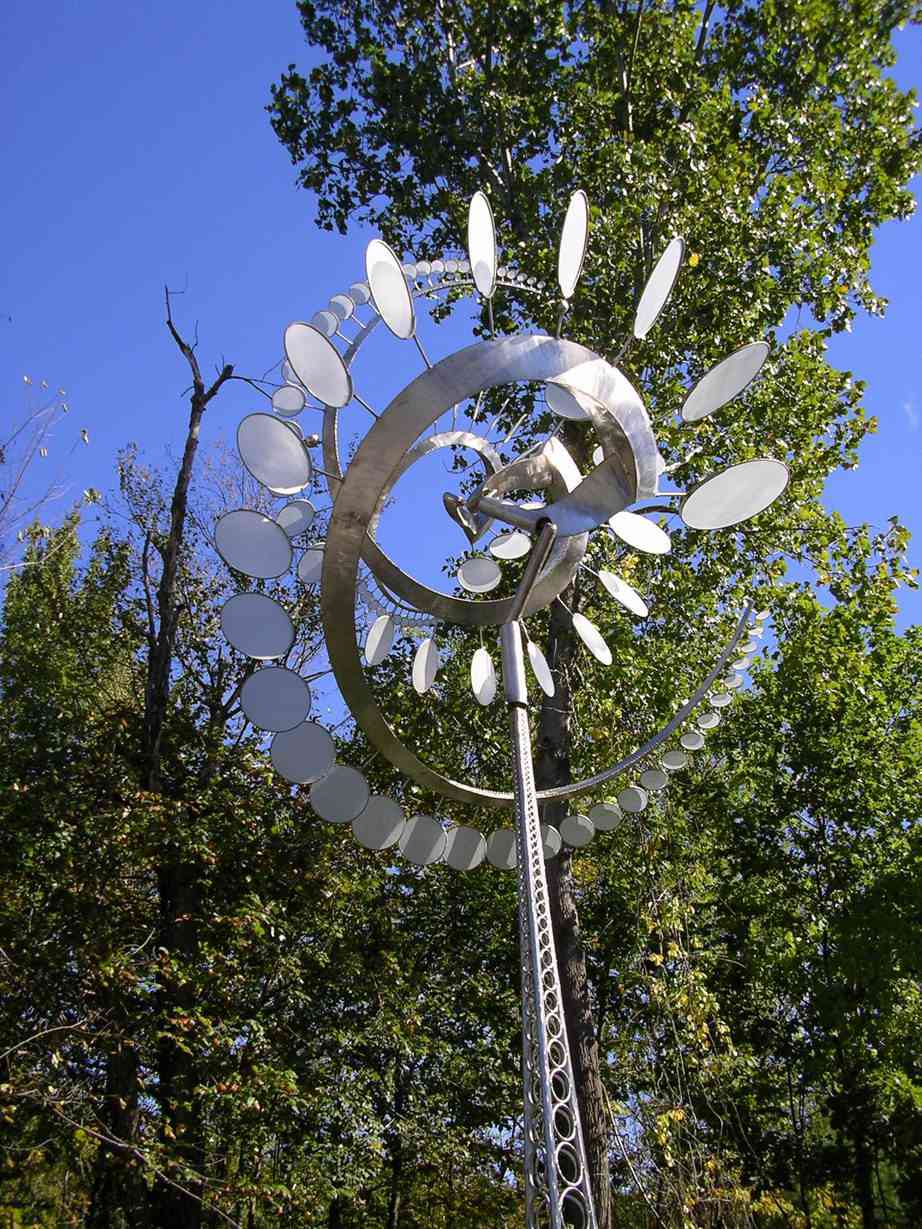
01 / Actual movement
Kinetic Sculpture
Rotating elements respond to the environment and make each viewing moment different. The form, movement method and site conditions should be planned together.
Art shaped by movement
Motion can be part of a sculpture’s structure or part of the story its form tells. A wind-driven work changes in real time; a wave, rider or leaping figure captures movement in a still image.
See how these approaches can bring energy to a garden, hotel or public space.
The idea
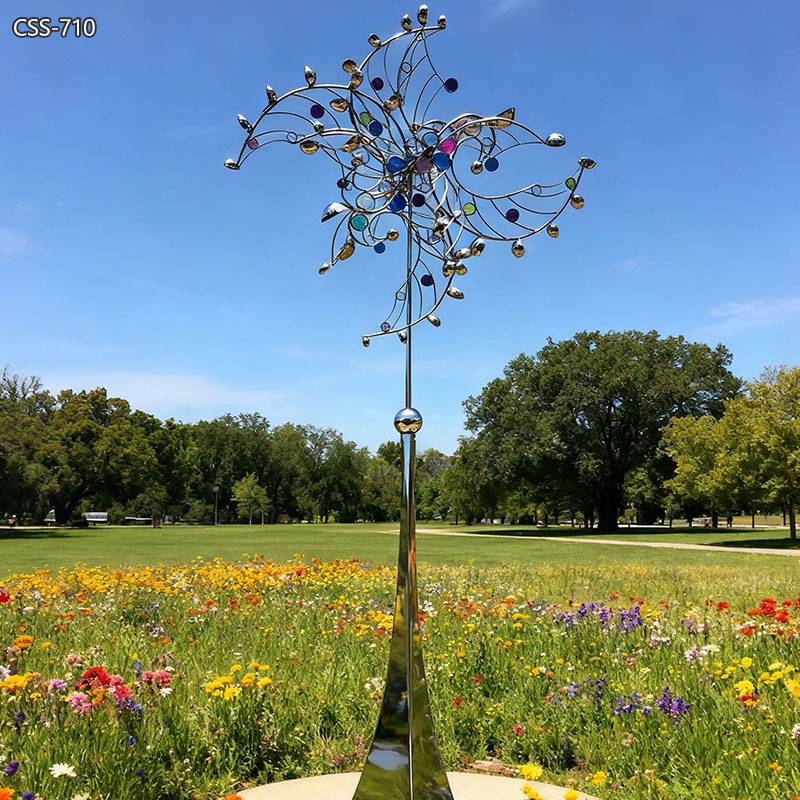
A dynamic sculpture makes movement central to how it is seen. Some are kinetic: parts rotate or shift with wind or a designed mechanism. Others remain fixed but use a sweeping line, a pose or repeated forms to suggest speed and flow.
The distinction matters when planning a project. A moving work needs room, suitable structure and maintenance access. A still work can evoke motion through its composition while remaining fixed in place.
Two approaches
The most useful starting point is deciding whether the sculpture itself should move.
01 / Actual movement
Rotating elements respond to the environment and make each viewing moment different. The form, movement method and site conditions should be planned together.
02 / Suggested movement
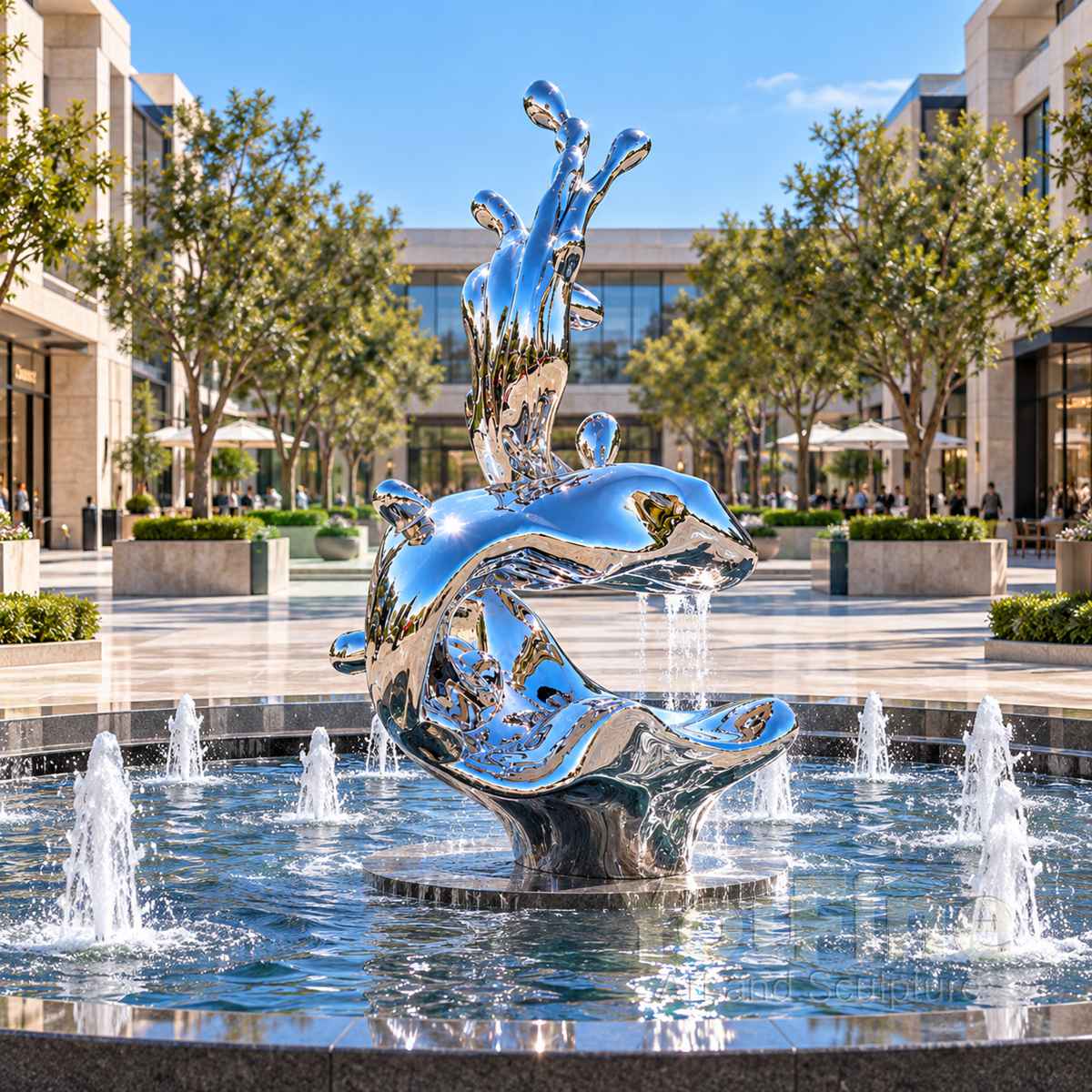
A wave, figure or abstract curve holds a moment of action. Its fixed form can still change in appearance with the light and surroundings.
Forms and ideas
These works show how moving parts, sweeping lines and active poses can shape the character of a space. Scale, material and finish can be adapted to the setting.
Wind
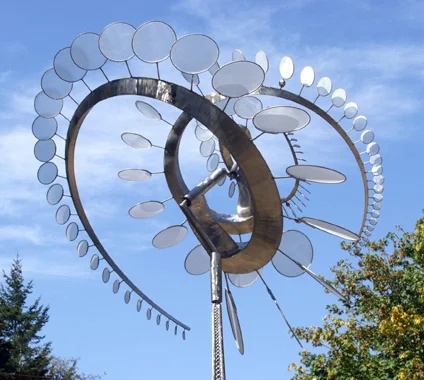
Open rings and repeated discs turn a breeze into a visible rhythm.
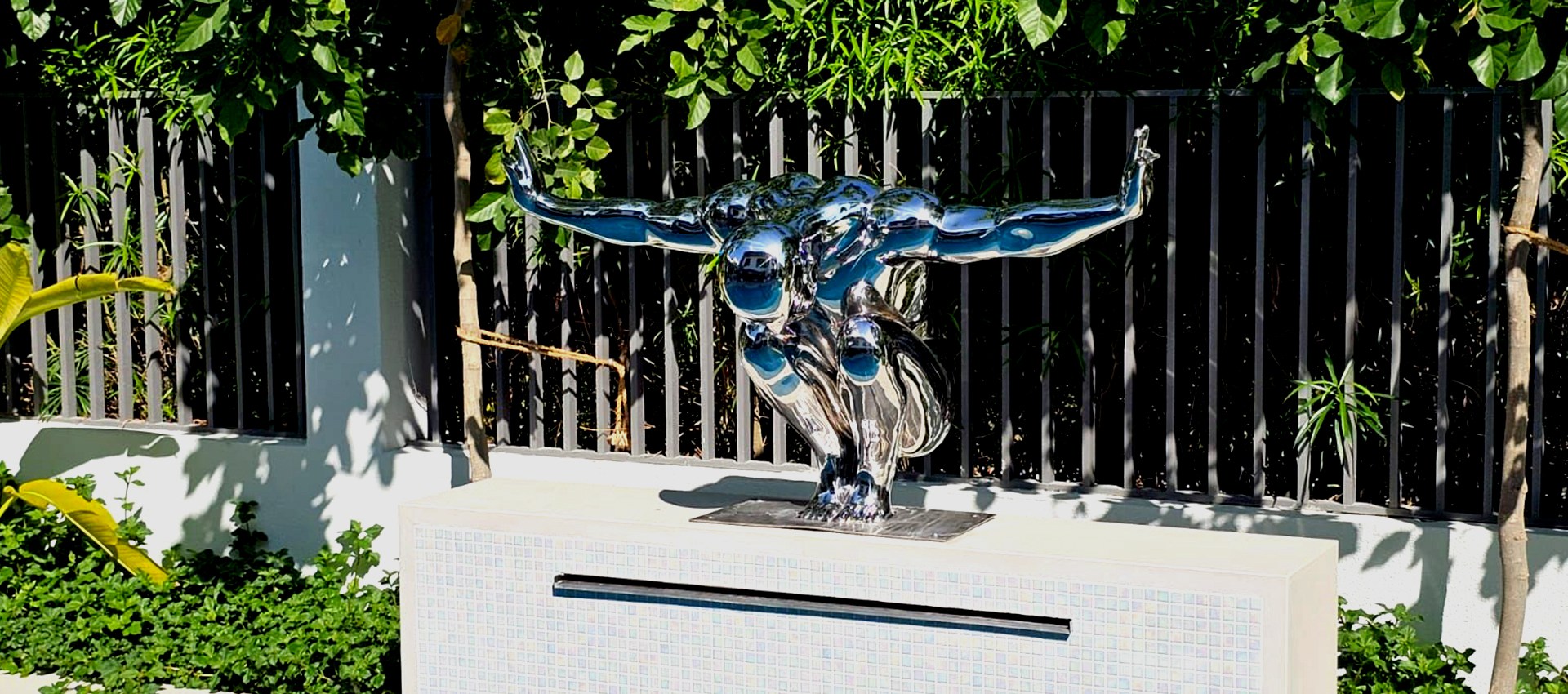
Human form
Body position and balance can capture the instant before a movement.

Speed
The lean of a rider and the geometry of a wheel suggest momentum.

Growth
Radiating forms create a sense of release and movement through the air.
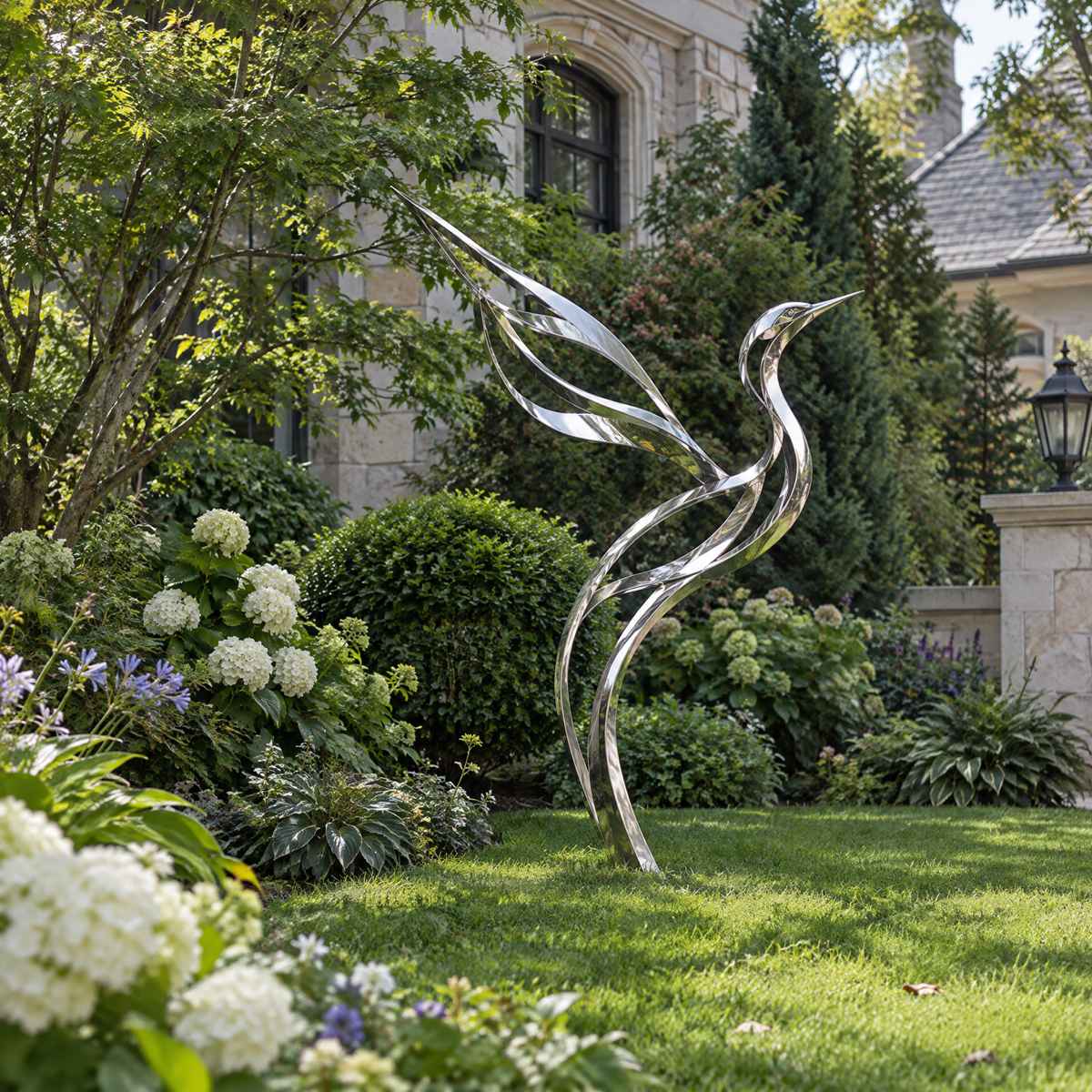
Flight
A lifted wing or extended body can make a fixed sculpture feel airborne.

Flow
Curved bodies and directional forms bring the movement of water to mind.
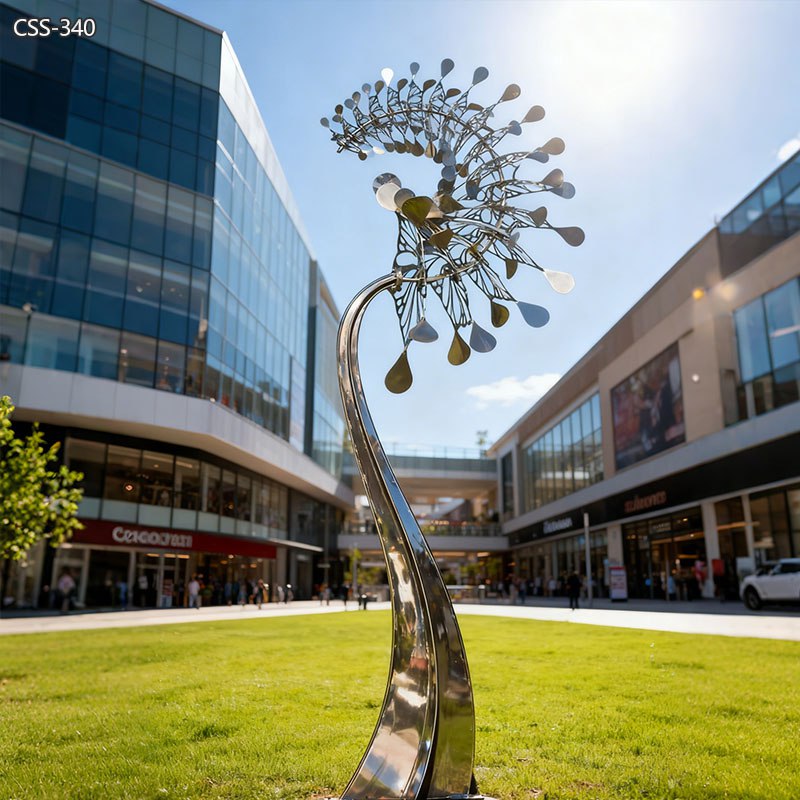
Architecture
A wind-driven form adds changing reflections and movement beside modern buildings.
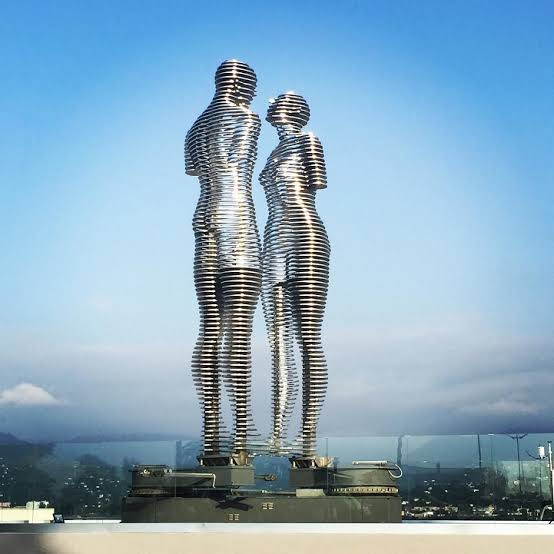
Human connection
Two rotating figures create a changing relationship as they move toward and away from each other.
Planning a project
Before choosing a design, consider how the work will be seen and what the location can support.
Think about viewing distance, sightlines and the space around the sculpture. A large plaza calls for a different rhythm than a close garden view.
Mirror, brushed and colored finishes create different effects as light changes. Material and finish should suit the intended environment.
Plan the base, fixing method and access early. Kinetic parts need additional consideration for movement and maintenance.
Custom sculpture
Share a reference image, approximate dimensions and intended location. We can discuss whether a moving sculpture or a fixed form best fits your project.
Project inquiry
Share a reference image, approximate size and installation location. Our team can discuss the design and provide a quotation.