 stainless steel sculpture
Abstract sculpture communicates through form rather than a literal copy of a person or object. A curve may suggest movement, an opening may draw attention to the space around it, and a reflective surface may bring the viewer and the surroundings into the work. The meaning is not always fixed: artists make deliberate choices, while viewers bring their own associations.
If you want a concise definition, start with our guide to what abstract sculpture is. Here, we look more closely at how to interpret an abstract work of art.
How do you read an abstract sculpture?
Begin with what you can actually see rather than trying to name an object. Follow the main line or silhouette. Notice whether the form feels stable, balanced, stretched, compressed or in motion. Then walk around it: sculpture is three-dimensional, so a change in viewpoint can alter the relationship between solid material and empty space.
Ask four useful questions:
- Form: Are the shapes geometric, organic, angular or flowing?
- Space: Can you see through or walk around openings? How does the work frame its surroundings?
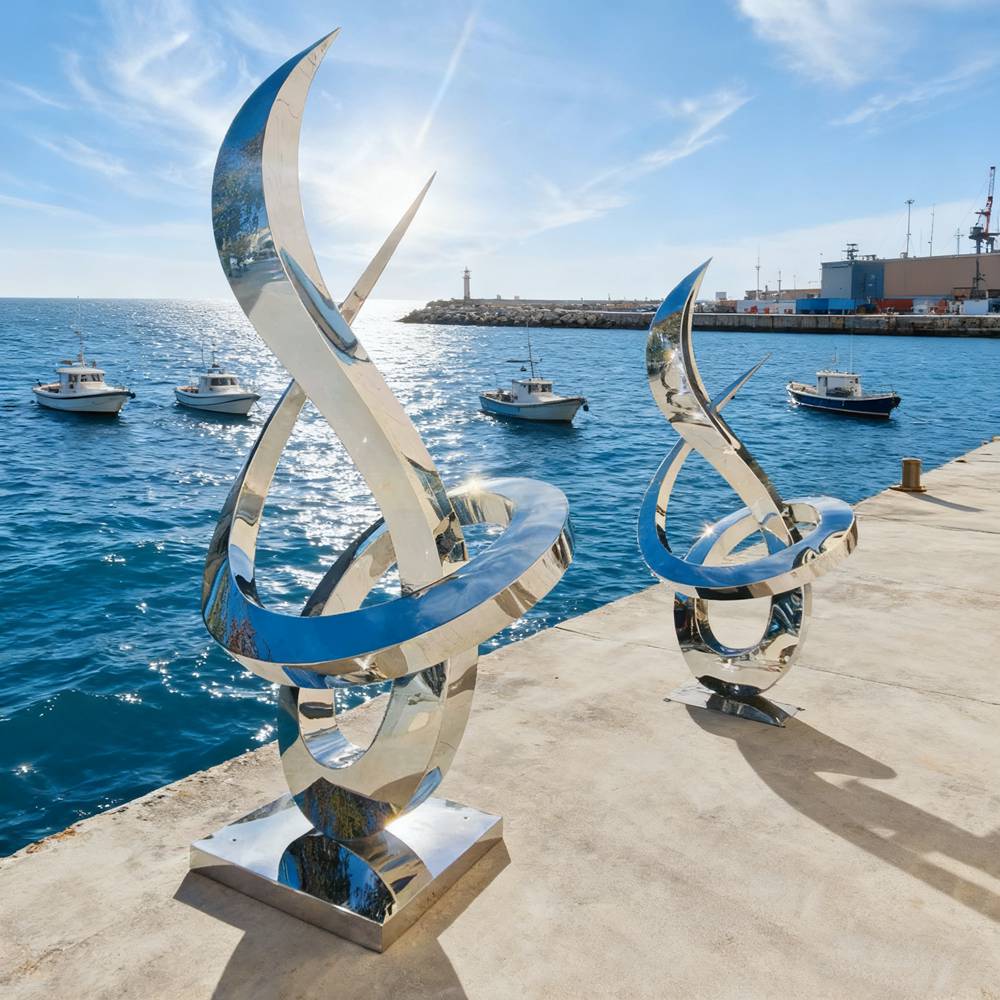
- Material and surface: Does it absorb light, cast strong shadows or reflect the environment?
- Scale: Does it invite close inspection, or change the feeling of an entire plaza or room?
There is no need to force a single symbolic answer. A useful interpretation explains how the visible choices create an experience.
Does abstract sculpture have to represent something?
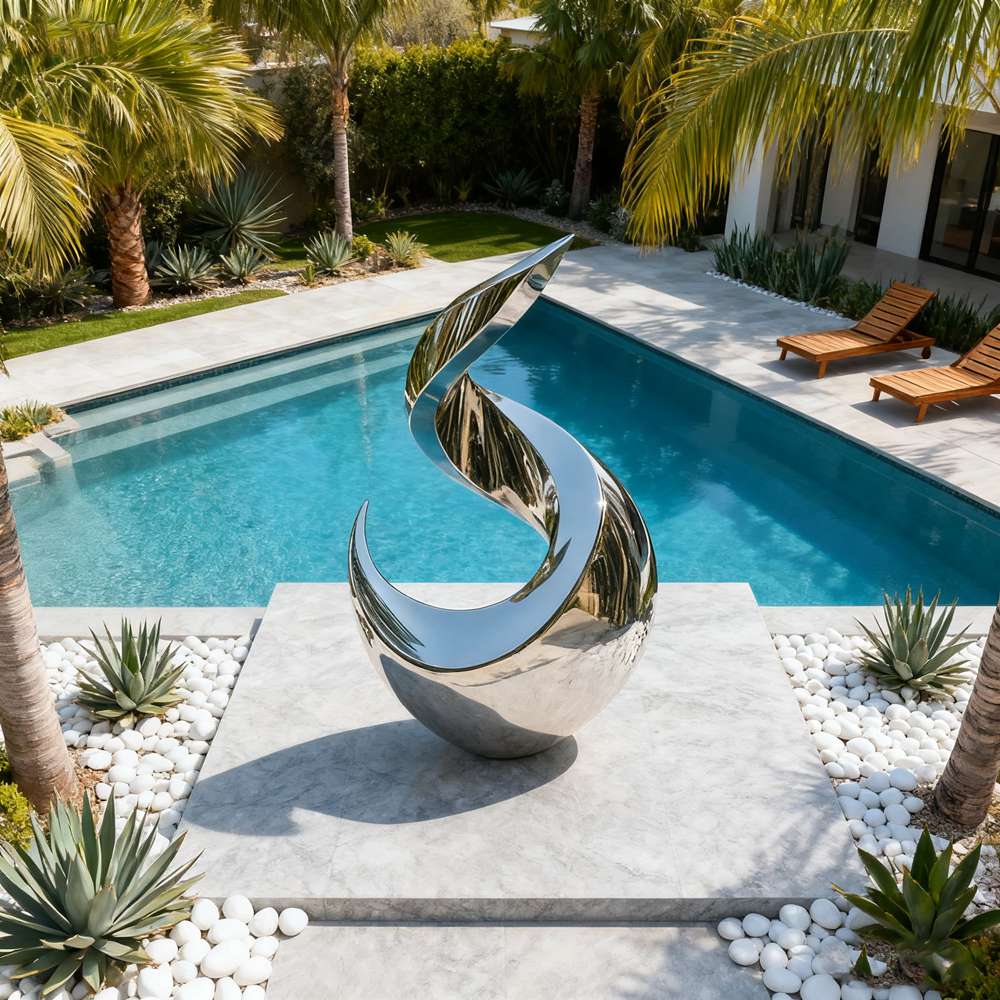
No. Some works keep a recognizable starting point and simplify it; others do not depict a subject at all. A form might recall a wave, a body or a plant without being a direct model of any one of them. This range between recognizable and nonrepresentational forms is one reason two viewers can read the same sculpture differently.
The important distinction is between suggesting an idea and reproducing its visible details. The artist may emphasize rhythm, weight, balance or movement instead of anatomy or surface realism.
What is an abstract figure sculpture?
An abstract figure sculpture begins with the human figure but changes, reduces or exaggerates its features. A sculptor might keep the gesture of a person reaching upward while removing facial details, simplifying the torso into a curve, or stretching the proportions to emphasize movement.
Compare two imagined sculptures of a standing person. A realistic figure may show recognizable clothing, hands and facial expression. An abstract figure may use only a vertical form, a tilted plane and an open space to suggest posture. Both can refer to a person, but they ask the viewer to pay attention to different things.
When looking at an abstract figure, ask what remains recognizable and what has been changed. The answer often points to the work’s central idea: a gesture, a relationship between people, or a sense of energy rather than an individual likeness. The Metropolitan Museum of Art’s account of Joel Shapiro’s Untitled offers a concrete example: simple rectangular volumes can still suggest a human body in motion.
How do material and setting change meaning?
The same form can feel different in polished stainless steel, weathering steel or stone. A mirror finish can include passing people, buildings and sky in the image. A matte or weathered surface may draw more attention to mass, texture and shadow. Outdoors, daylight and the viewer’s route change the work throughout the day.
This is why placement matters in our own metal sculpture projects. A work beside water can echo its reflections; a work in a hotel lobby may be experienced from several entrances and from much closer range. The design must respond to its site, not only look convincing in a photograph.
Three ways artists use abstraction
Alexander Calder: balance and movement
Calder’s mobiles use suspended shapes whose positions change with air currents. The viewer reads balance, rhythm and changing relationships rather than a fixed realistic subject. The National Gallery of Art explains how his mobiles combine abstract form with movement.
Anish Kapoor: reflection and participation
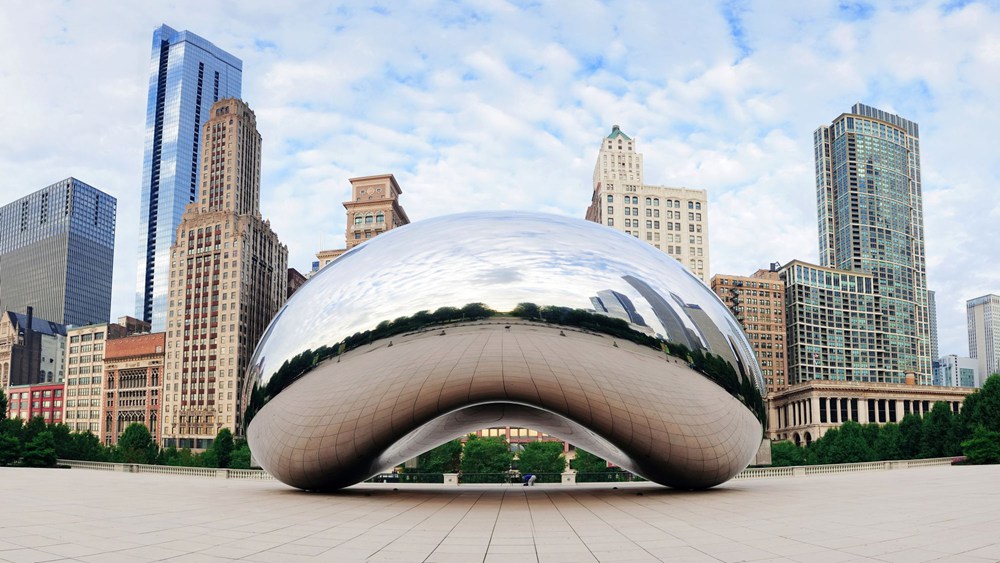
In Cloud Gate, the curved stainless steel surface reflects Chicago’s skyline and the people around it. Its form is simple, but the image on that form never stays the same. The City of Chicago describes how visitors interact with the work beneath its arch. Our article on Cloud Gate in Chicago covers the artwork and its location in more detail.
Richard Serra: the experience of space
Serra’s large curved steel works can change how a person moves through and perceives a space. The meaning develops through scale, material and the viewer’s physical experience, as the Guggenheim Museum discusses in its account of his work.
What does abstract sculpture mean to a project?
For a commissioned piece, the strongest meaning often comes from the place where it will stand. A design for a garden may draw on natural movement; a civic plaza may need a clear silhouette visible from a distance; a hotel may use a form that guides visitors toward an entrance. These are design possibilities, not universal rules for interpreting art.
Explore our abstract metal sculpture examples to see different forms and finishes. If you are planning an original work, share the site, approximate dimensions and the experience you want visitors to have. Those details give the design a meaningful starting point.